
Survey finds widespread loss of control, regret and growing public appetite for stronger oversight
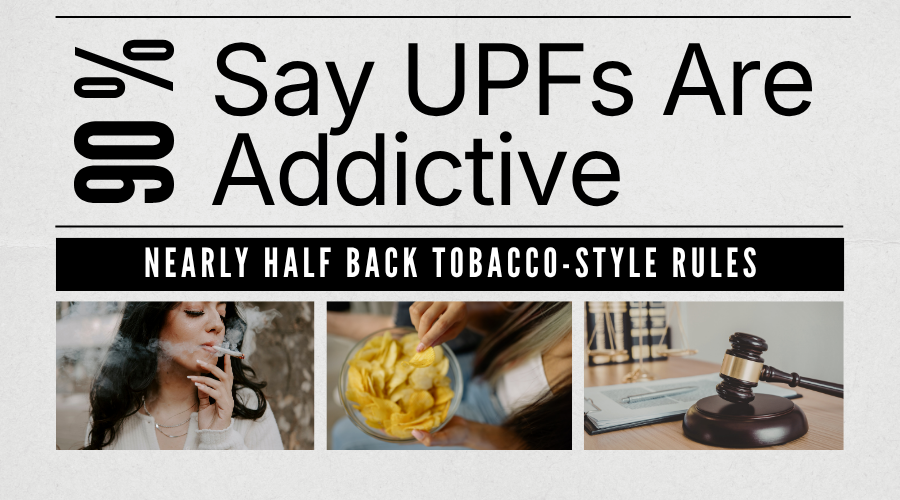
Image Source: Created by Vending Connection
Nearly nine in ten US consumers believe ultra-processed foods (UPFs) are intentionally designed to be hard to stop eating, according to new research from global health app Lifesum — with almost half supporting regulation similar to tobacco or alcohol.
The nationally representative survey of 2,000 US adults found that 81% have felt unable to stop eating certain ultra-processed foods once they start, while two-thirds say they have tried and failed to cut back.
Four in five (80%) report feeling regret or frustration after eating ultra-processed foods, pointing to a widespread cycle of cravings, loss of control and emotional friction.
Over 50% of calories consumed by Americans come from ultra-processed foods, according to federal dietary data, and high consumption has been linked in multiple studies to increased risks of obesity, type 2 diabetes and cardiovascular disease.
“Consumers are increasingly aware that modern food environments are highly engineered,” said Marcus Gners, Co-Founder at Lifesum. “This research shows people no longer see ultra-processed foods as simply a matter of willpower, but as part of a broader system shaping appetite and behavior. It also highlights growing demand for clearer labeling, greater transparency and evidence-based guidance.”
The findings come amid growing scientific scrutiny of ultra-processed foods. In a recent report, researchers from Harvard University, the University of Michigan and Duke University argued that UPFs share key similarities with cigarettes — including engineered reward pathways and marketing strategies designed to drive repeated consumption — and warrant stronger regulation. Lifesum’s data suggests public sentiment may already be moving in that direction.
The Control & Regret Cycle
- 90% believe UPFs are engineered to be hard to stop eating
- 81% have felt unable to stop once they begin
- 67% have tried and failed to cut back
- 80% experience regret after consumption
Together, the findings suggest many consumers feel caught between personal responsibility and a food environment they perceive as engineered to override willpower.
Growing Support for Regulation
Public appetite for stronger oversight is significant:
- 81% support clearer warning labels on ultra-processed foods
- 59% support restrictions on marketing
- 47% support regulation similar to tobacco or alcohol
The data reflects a broader shift in how Americans view responsibility for diet-related health risks — moving from individual choice toward systemic and industry accountability.
Share this Story
Related Posts