Key Takeaways from The NAMA Show 2026 Session: “Upcoming Trends in Hot & Cold Beverages”
At this year’s The NAMA Show, one message from the session “Upcoming Trends in Hot & Cold Beverages” came through clearly: beverages are no longer just about refreshment. They now center on experience, function, and personalization. Those shifts are already impacting unattended retail.
For operators, this isn’t about chasing trends. It’s about understanding where consumer expectations are going and adjusting your product mix, equipment, and strategy accordingly.
Here’s what that means for your business.
Beverages Are Becoming an Experience, Not a Commodity
Consumers are increasingly treating beverages as small, everyday indulgences. More than half (53%) now say drinks provide a sense of escape, and demand is rising for “swavory” (sweet and savory) flavor combinations, along with more globally inspired options.
For operators, that means standard assortments alone are no longer enough.
Instead of relying solely on core SKUs, consider introducing a rotating mix of premium and seasonal beverages. Limited-time offerings and more curated selections can turn a machine or micro-market into something customers want to explore.
The shift here is simple: your location can become a discovery point, not just a convenience stop.
Functional Beverages Have Gone Mainstream
Protein, hydration, vitamins, and gut health are no longer niche concerns. Consumers are actively looking for beverages that serve a purpose, and many now view them as snack or meal replacements.
This creates a clear opportunity for operators to rethink assortment strategy.
Expanding better-for-you options like protein coffee, electrolyte drinks, and prebiotic sodas can help meet this demand. Just as important is how these products are positioned. When merchandised correctly, they’re not just beverage choices. Instead, it becomes part of a daily routine.
Operators who get this right can move from being a refreshment provider to a reliable source of everyday nutrition and a platform for consumers to explore health and new flavors.
Nostalgia and Sweet Treats Are Fueling Engagement
A growing trend across beverages is “newstalgia.” It’s a modern take on familiar, nostalgic flavors like Shirley Temple. These products create immediate recognition and often drive impulse purchases.
For operators, this is a low-risk way to drive engagement.
Testing throwback-inspired items or limited-time collaborations can bring energy to your lineup without requiring a full reset. These products tend to perform well because they combine familiarity with novelty.
Used strategically, they can keep your offering feeling fresh without overcomplicating operations.
Coffee Is Becoming More Intentional
Coffee continues to evolve on two fronts: indulgence and quality. While flavored and specialty drinks are growing, there’s also increasing demand for more refined, espresso-forward options.
This puts pressure on traditional coffee programs.
Operators don’t necessarily need to overhaul everything, but they do need to evaluate whether their current setup meets rising expectations. For instance, a Flat White has had 91% menu growth over 4 years, but it needs to be a quality one. Whether it’s premium ready-to-drink options or upgraded coffee equipment, even small enhancements in quality can make a noticeable difference.
The goal is to close the gap between what customers get in a breakroom and what they’d expect from a café.
Personalization Is Now Expected
Consumers are getting used to customizing their beverages, whether at home, in coffee shops, or through retail products. That expectation is starting to carry into unattended environments, which means flexibility matters.
Operators can start by offering products that support customization. For example, 52% of consumers customize their cold coffee differently than their hot coffee. Powders and enhancers alone represent a $2.1 billion and growing category.
As a result, operators should try offering mix-ins or complementary items that let users tailor their drinks. In higher-volume locations, smart equipment or micro-market solutions can take this further.
The underlying shift is clear: one-size-fits-all is becoming less relevant.
The Breakroom Is Evolving Into a Hospitality Space
One of the biggest changes is the environment.
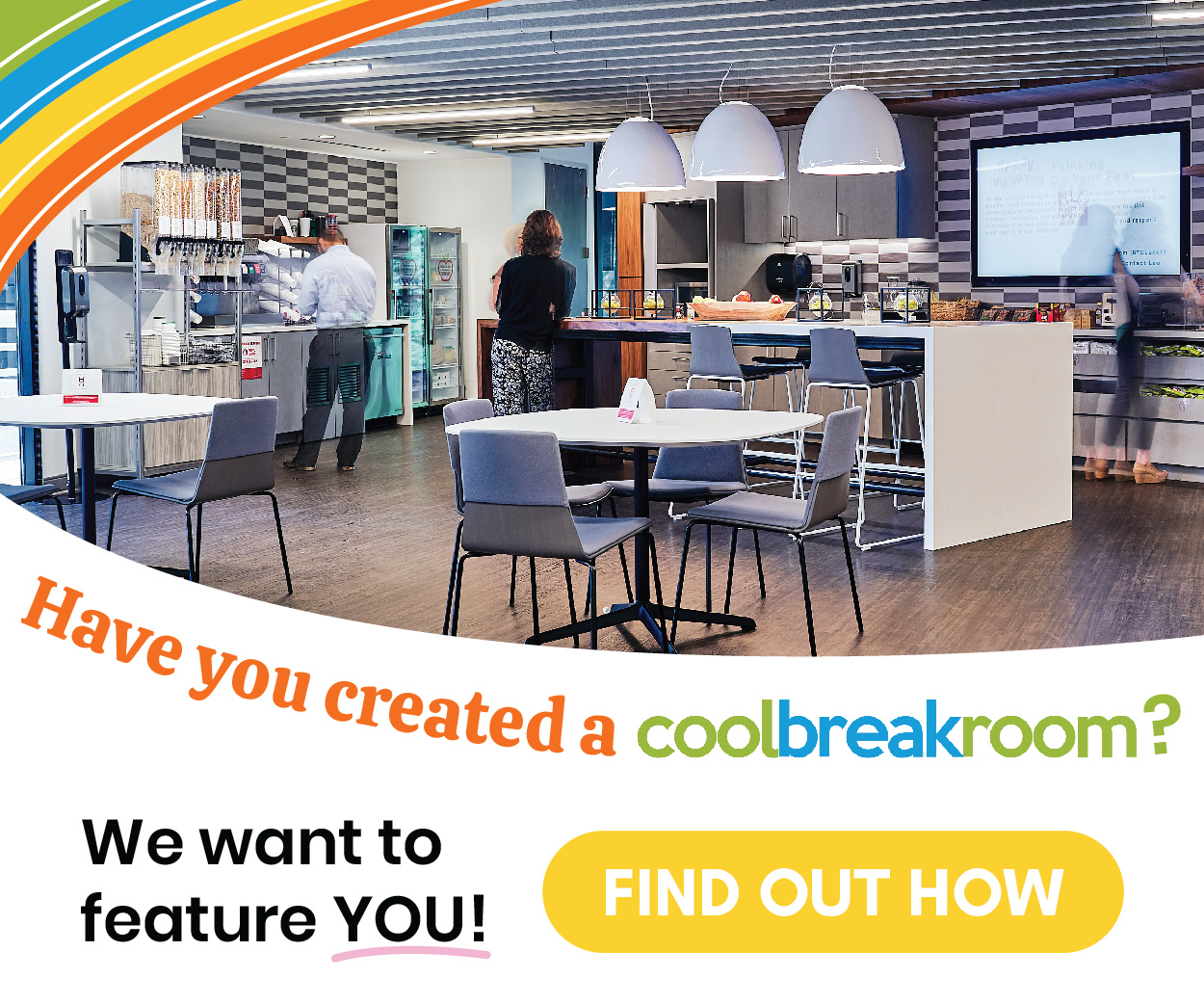
Workplaces are being redesigned around flexibility and collaboration, and breakrooms are becoming more central to that experience. Micro-markets, fresh food, and upgraded beverage programs are increasingly expected.
Layout, flow, lighting, and overall presentation are becoming part of the value proposition. Locations that feel more like small retail or café spaces tend to drive higher engagement and usage.
This is where the role of the operator expands—from service provider to workplace amenity partner.
The Bigger Shift: From Convenience to Experience
Across all of these trends, a larger transformation is happening. The industry is moving:
- Products to experiences
- Transactions to engagement
- Standardization to customization
Convenience still matters, but it’s no longer enough on its own.
Final Takeaway for Operators
Consumers are bringing expectations from all outside influences into the workplace, and they’re noticing when those expectations aren’t met in the breakroom.
Operators who evolve their approach through smarter assortments, better merchandising, and more intentional experiences will be best positioned for growth.
Those who don’t may find that even well-run locations start to lose relevance.
The opportunity is there. The question is how quickly you act on it.
Share this Story
Related Posts