

Company to Close Amazon Go and Amazon Fresh Physical Stores, Converting Select Locations to Whole Foods Market
Over two decades ago, Amazon began adding groceries and everyday household essentials to Amazon.com. Today, Amazon is one of the top three grocers in the United States, with more than $150 billion in gross sales and over 150 million customers shopping for groceries each year. Everyday household essentials account for one out of every three units sold on Amazon.com, as customers increasingly turn to the platform for its broad selection, low prices, and fast delivery to stock their fridges and pantries. This growth reflects Amazon’s continued focus on customer feedback and targeted innovation aimed at making everyday life easier and more convenient.
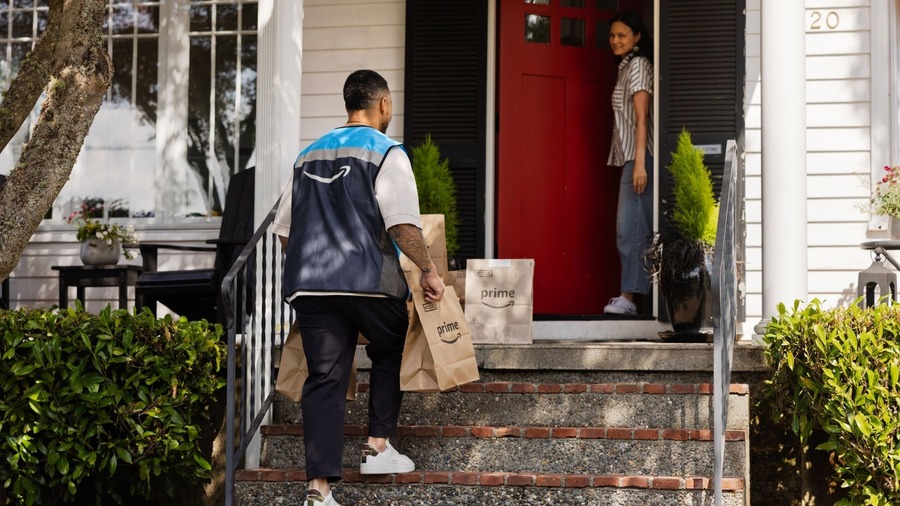
Image Source: Amazon.com, Inc.
Prioritizing Investments
While Amazon-branded physical grocery stores have shown encouraging signs, the company has determined that the model has not yet delivered a sufficiently differentiated customer experience or economic structure to support large-scale expansion. Following a comprehensive review, Amazon has decided to close its Amazon Go and Amazon Fresh physical stores, converting select locations into Whole Foods Market stores. Customers will continue to have access to Amazon Fresh through online ordering and delivery in available areas.
During the operation of these stores, Amazon gained valuable insights into customer preferences and operational innovation. Amazon Go locations served as testing grounds for Just Walk Out technology, a checkout-free solution now deployed in more than 360 third-party locations across five countries. The technology has significantly reduced wait times, cutting cafeteria lines at BayCare’s St. Joseph’s Hospital from 25 minutes to just three and enabling sports fans at Scotiabank Arena to purchase concessions in under 30 seconds.
Building on this success, Amazon is expanding Just Walk Out technology across its own operations, with more than 40 North American fulfillment centers already using it in employee breakrooms and additional rollouts planned for 2026. The expansion aims to help employees maximize break time by eliminating checkout delays.
Accelerating Fast Grocery Delivery Services
U.S. shoppers are increasingly relying on online delivery for fresh food and household essentials to accommodate busy lifestyles. Today, millions of customers across more than 5,000 cities and towns can shop online with Amazon for affordable groceries and everyday essentials, including selections from Whole Foods Market, Amazon Fresh online, and local retail partners such as Weis Markets, Winn-Dixie, and Metropolitan Market. Amazon’s online grocery delivery business has experienced significant growth, and in 2025 the company delivered more groceries faster than ever before, expanding access to affordable, high-quality food nationwide.
Speed remains a critical factor when customers shop for essentials. In 2025, Amazon introduced perishable items into its Same-Day Delivery service, enabling customers to receive fresh food within hours in cities across the country, with additional locations planned for 2026. The service allows customers to shop produce, dairy, meat, baked goods, and frozen foods alongside millions of other Amazon.com products, all backed by the Freshness Guarantee. Demand has surged, with perishable grocery sales through Same-Day Delivery growing 40 times since January 2025. In areas where the service is available, fresh groceries now account for nine of the ten most-ordered items.
Amazon has also begun testing Amazon Now, an ultra-fast delivery option that brings thousands of essential items, including fresh food, to customers’ doors in approximately 30 minutes or less. Available in several cities, the service is designed to replicate the convenience of a neighborhood convenience store through rapid doorstep delivery.
Bringing Whole Foods Market to More Customers
Amazon is continuing to increase investment in physical retail formats that resonate strongly with customers. Since Amazon’s acquisition of Whole Foods Market in 2017, the natural and organic grocery chain has experienced more than 40% sales growth and expanded to over 550 locations. Customer traffic and year-over-year comparable store growth have reached record levels, outpacing the broader grocery industry. To build on this momentum, Amazon plans to open more than 100 new Whole Foods Market stores over the next several years.
In addition, Amazon is expanding Whole Foods Market Daily Shop, a smaller-format store designed for quick, convenient neighborhood shopping. With a curated selection of grab-and-go meals, coffee, and everyday essentials, the format has been well received by customers and currently operates in five locations. Based on strong performance, five additional Daily Shop locations are scheduled to open by the end of 2026.
Share this Story
Related Posts